Create Your Universe
Step into the role of a cosmic architect. Balance forces, select dimensional topologies, and define primordial conditions to generate a unique theoretical universe.
Every selection alters the cosmic evolutionary timeline. Choose wisely: an imbalance in fundamental forces might collapse your cosmos into a singular hyper-massive black hole before atoms can ever fuse, while harmonious values may nurture strange, silicon-based crystalline ecologies across vast aeons.
Design Your Universe
Set the constants of nature, the shape of space and the age of your cosmos, then generate a hypothetical universe — with what physics supports and what is pure speculation clearly separated.
Disclaimer: This universe generator is a simplified educational cosmological model based on theoretical scaling laws and thought experiments, not a precision numerical simulation. Alternate universes and non-standard constants remain hypothetical.
Habitability: Habitability is a model-based educational estimate from the rules shown below, not a measured probability that life exists.
Storage Note: Universes are not saved to a server. Use Share Link to keep one; the link carries the settings.
Cosmological Parameters
Modulate physical scaling variables
Fundamental Constants
Coupling parameters governing nuclear and gravitational interactions
Governs cosmic clumping, orbital mechanics, and stellar compression rates.
Binds quarks into hadrons and atomic nuclei; determines nuclear fusion thresholds.
Controls atomic bonding, molecular geometry, and the fine-structure constant.
Drives accelerated metric expansion of space, opposing gravitational collapse.
Space & Manifold Geometry
Degrees of freedom and global cosmic curvature
Number of macroscopic spatial degrees of freedom, defining wave propagation and orbit stability.
Global spatial curvature and boundary geometry of the cosmic manifold.
Matter & Cosmic Structure
Primordial density balance and baryon surplus ratios
Determines total mass available for large-scale cosmic structure formation.
Strength of the primordial matter excess, relative to the asymmetry of our universe (about 6×10⁻¹⁰ baryons per photon). 100% = ours, 0% = perfect symmetry.
Time & Cosmological Epoch
Entropy evolution trajectory and elapsed timeline
Thermodynamic orientation of entropy growth from initial low-entropy boundary conditions.
Elapsed cosmological time since the primordial origin in billions of standard years.
Awaiting Universal Synthesis
Adjust the physical constants and spatial dimensions in the control matrix, or preserve standard baseline values, then select Generate My Universe to calculate the cosmological evolution profile and view the algorithmic visualizer.
Synthesized Realities
Exemplary theoretical cosmologies synthesized under varied physical constants and boundary geometries.

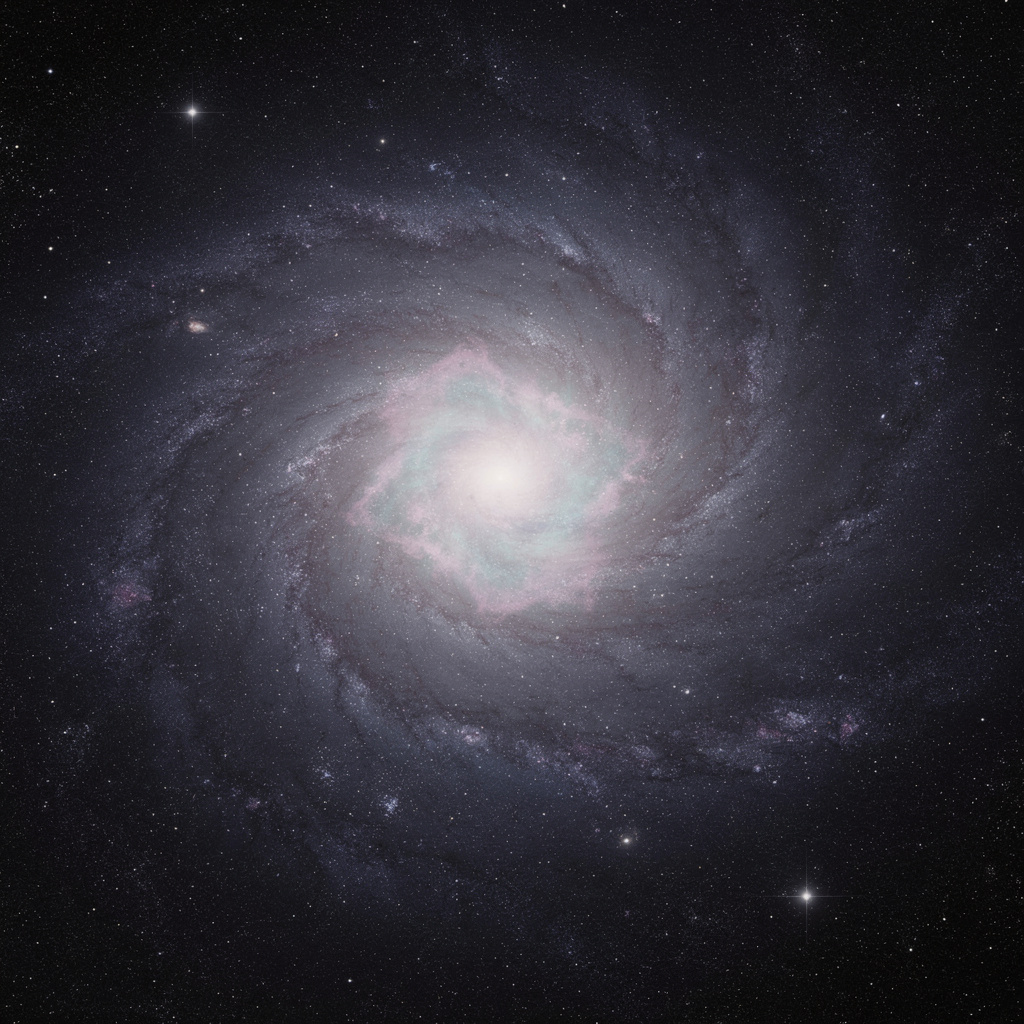
The Crystalline Continuum
A hypothetical universe with the strong nuclear force boosted 4×; in this thought experiment, very heavy nuclei could be stable and fuel unfamiliar, crystalline-looking star systems.
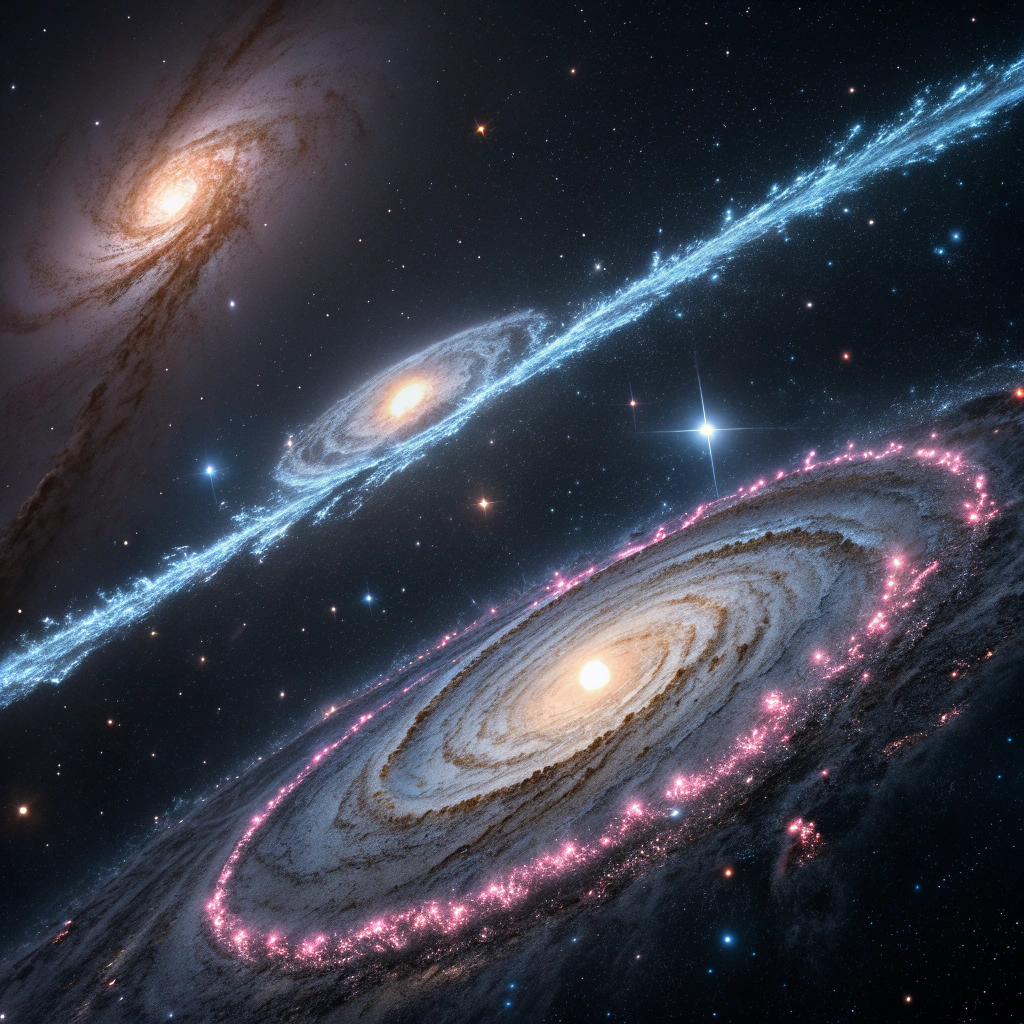
The Tachyon Expanse
A hypothetical inverted thermodynamic arrow in which entropy decreases over time; speculative, since it conflicts with how structure and observers are understood to form.
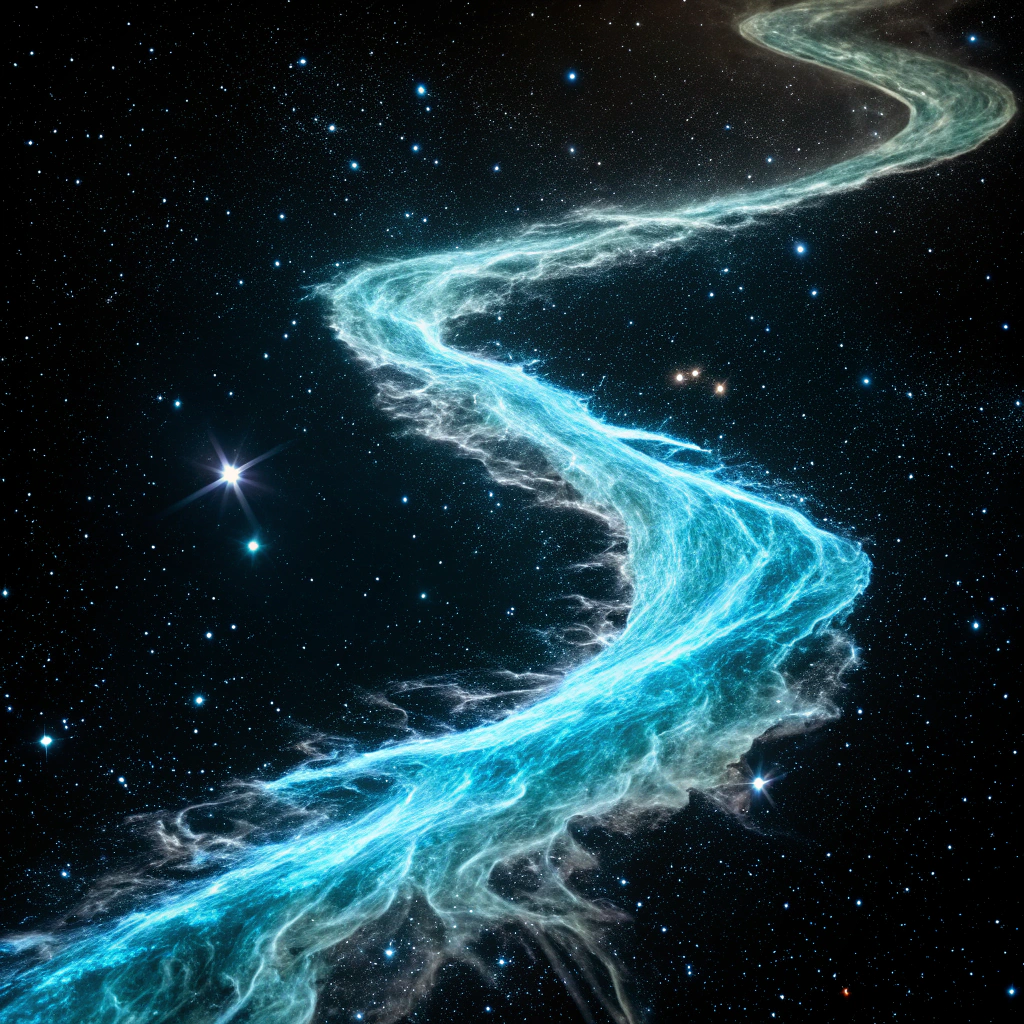
The Void Web
A hypothetical universe with dark energy greatly amplified; galaxies would drift out of contact with each other far sooner than in ours.
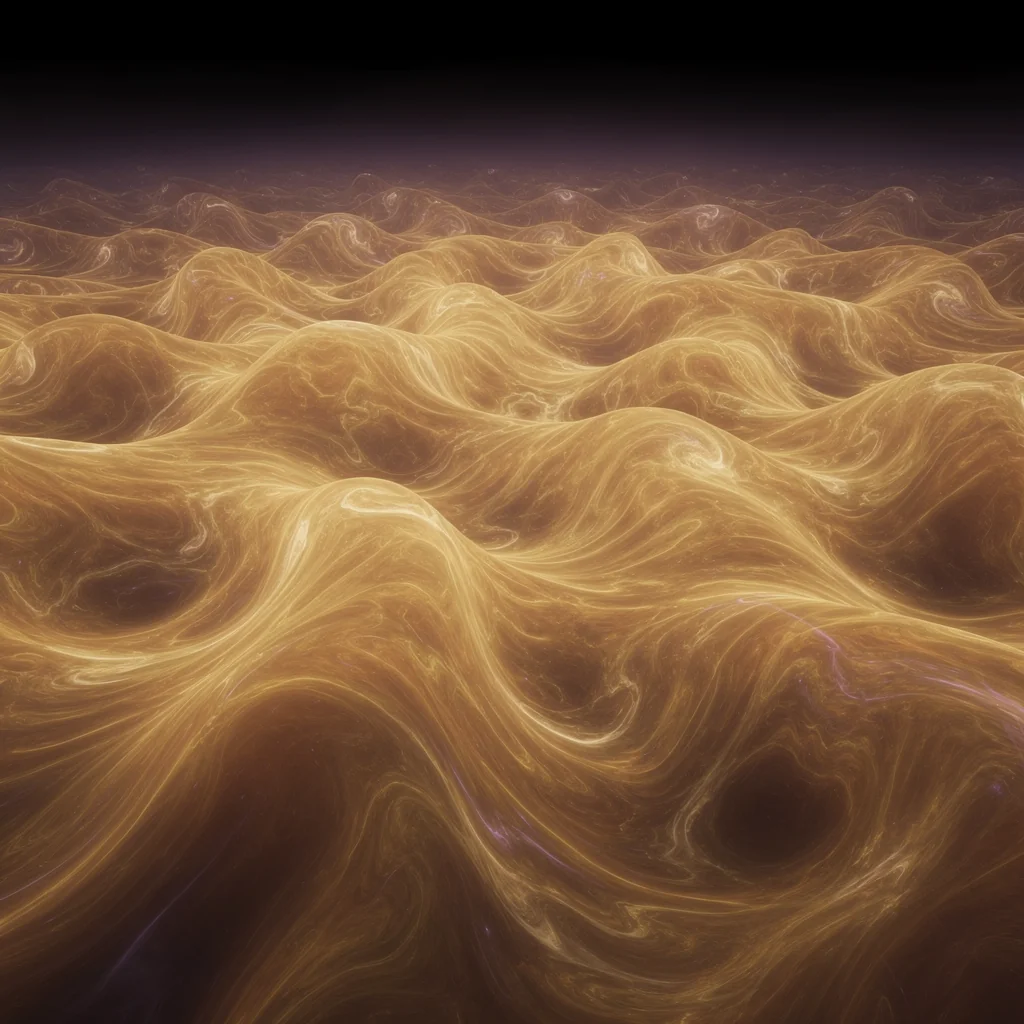
The Bi-Dimensional Ribbon
Two spatial dimensions and one of time. In a simplified force-law argument, stable atoms and orbits are doubtful, so any 'ribbon life' here is pure speculation.
The Radiant Monolith
A near-zero gravitational constant; matter would struggle to clump into stars, leaving a diffuse, warm gas and radiation in a thought experiment.
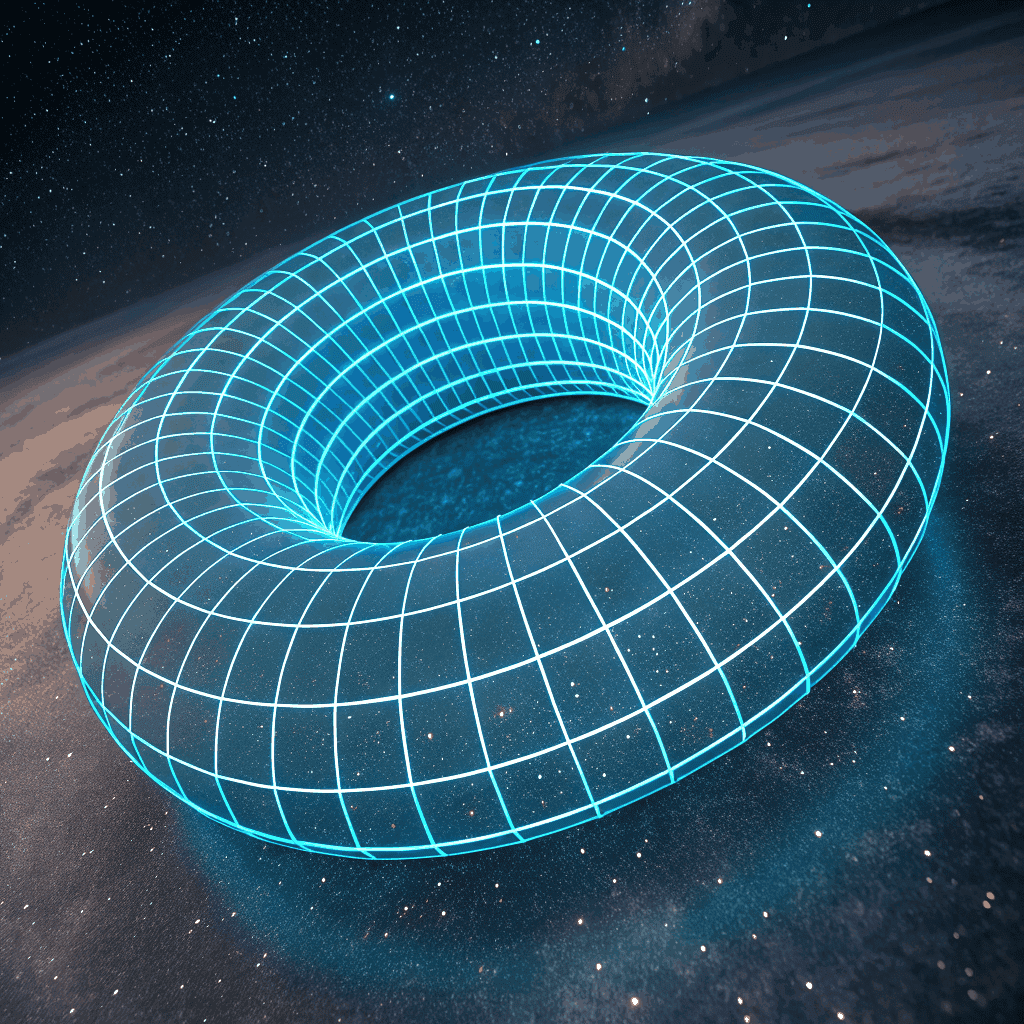
The Hyper-Toroid Cosmos
A hypothetical compact toroidal topology; if the torus were smaller than the observable horizon, light could loop back and show repeated images of the same regions.